News·September 4, 2026·5 min read
Les Paul's Iconic Home Studio Destroyed, Footage Surfaces
Footage has surfaced showing the destruction of Les Paul's legendary New Jersey home, where the guitar innovator conducted decades of pioneering recording experiments that helped shape modern music. The laboratory-style studio, which was quietly demolished without public announcement, is where Les Paul developed many of the techniques central to multitrack recording and electric guitar design. The discovery has shocked the guitar community, with collectors and historians calling the loss irreversible. Les Paul, who died in 2009, used the space to experiment with sound-on-sound recording, echo effects, and guitar modifications that became foundational to how the instrument is played and heard today. The site's demolition, which appears to have gone unannounced, has reignited conversations about the preservation of music history landmarks, particularly private properties tied to pioneering figures. As of September 2026, no official statement has been issued by any preservation organization regarding the site's fate or whether any artifacts were recovered before the structure was razed.
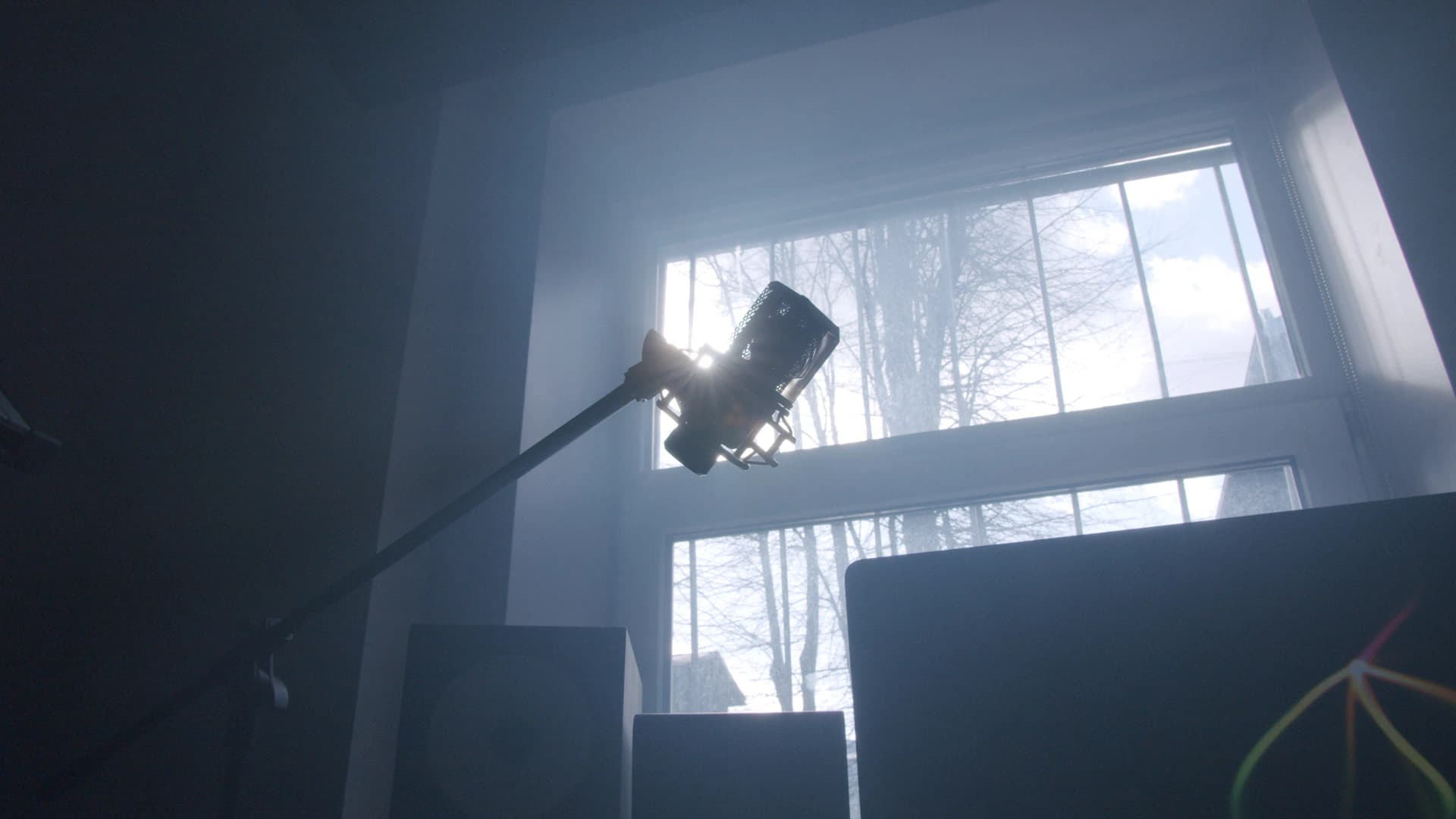
Les Paul's Legendary Home Studio Has Been Destroyed, and the Guitar World Is Reeling
Footage surfacing this week confirms that Les Paul's historic New Jersey home, where the inventor and guitar visionary conducted some of the most consequential recording experiments in music history, has been quietly demolished. The loss of the site has sent a visible shockwave through the guitar collecting and music preservation communities, with fans and historians alike describing the footage as "horrifying."
What Happened to Les Paul's Home Studio?
The property, long known as a private laboratory where Les Paul refined the techniques that transformed recorded music, was torn down without any widely reported public announcement or apparent intervention from preservation groups. Video footage that began circulating this week shows the structure in a state of near-total ruin, prompting immediate outrage from those who argue the site should have been protected as a cultural landmark.
Les Paul, who died in August 2009, used the home studio over several decades to develop and refine sound-on-sound recording, a method that allowed him to layer multiple performances onto a single record. That technique is considered a direct ancestor of multitrack recording, the backbone of virtually every commercial album produced since the mid-twentieth century. He also used the space to experiment with electric guitar design and effect-based signal processing, contributing innovations that remain standard across the industry.
Why Does This Site Matter to Guitar Collectors and Historians?
For the guitar community specifically, Les Paul's home was not simply a residence. It was a working laboratory connected directly to the development of instruments and recording approaches that define the modern guitar world. The Gibson Les Paul, introduced in 1952, was partly the product of ideas that Paul incubated in precisely this kind of personal workshop environment.
According to Reverb's 2026 market data, vintage Gibson Les Paul Standards from the 1958-1960 period remain among the five most actively tracked guitar models on the platform, with collector interest holding steady even as broader vintage market volumes fluctuate. The connection between Paul's personal legacy and the sustained demand for instruments bearing his name underscores how consequential his reputation remains to the collector market more than fifteen years after his death.
The destruction of a physical site tied to that legacy represents a category of loss that cannot be quantified in market terms. Private properties connected to pioneering musicians rarely receive the same institutional protection afforded to formal recording studios or performance venues, and Paul's home appears to have fallen through exactly that gap.
What Is the Guitar Community Saying?
Reactions from players, collectors, and historians have been swift and largely mournful. The consensus across social media and enthusiast forums is that an opportunity for formal preservation was missed, and that whoever made the decision to demolish the structure did so without adequate consultation with the music history community.
The timing is notable. Interest in Les Paul as a historical figure has remained elevated throughout 2026, driven in part by ongoing scholarship around the development of electric guitar technology and renewed collector focus on mid-century American instruments. According to Vintage Guitar Magazine's 2026 readership survey, articles covering the pre-CBS Fender and early Gibson eras consistently rank among the publication's most-read content, reflecting a sustained appetite for primary-source history connected to these instruments.
When the physical sites associated with that history disappear without documentation or preservation, the field loses something that no archive of recordings or instruments can fully replace.
Is There a Broader Problem With Music Landmark Preservation?
The demolition of Les Paul's home is not an isolated incident, but it is among the most prominent examples of a recurring problem in music history preservation. Unlike film studios or architectural landmarks, private residential properties connected to musicians occupy an awkward legal and cultural position. They are rarely listed on national registers until long after the opportunity to act has passed, and heirs or subsequent property owners are under no obligation to maintain or disclose their significance.
No official statement has been issued by any preservation organization as of September 1, 2026, and it remains unclear whether any artifacts, equipment, or documentation were recovered from the property before demolition. That uncertainty only deepens the frustration of historians who argue that even a brief intervention period could have allowed for meaningful recovery.
The guitar community's response to this news reflects a growing awareness that the physical traces of music history are fragile and finite. Instruments can be preserved in collections. Recordings can be digitized. But the rooms where ideas were formed, the benches where prototypes were built, and the walls that absorbed decades of experimental sound are irreplaceable once they are gone.
How This Affects the Les Paul Collector Market
In practical terms, the demolition of Paul's home studio is unlikely to produce any immediate shift in the market for Les Paul instruments. The guitars stand on their own as collectibles, and their value is tied to playability, condition, and provenance rather than to any single physical site. However, events like this do tend to reinforce the cultural weight attached to an instrument's origin story, which over time can sustain or elevate collector interest.
What the news does is remind collectors that the documentary record surrounding these instruments is always at risk of shrinking. Every primary source that disappears makes the remaining ones more significant.
Track the Les Paul Market on Fretfolio
If you hold a vintage Gibson Les Paul in your Fretfolio collection, the platform's Reverb market tracker is already reflecting real-time price movement on comparable models. As news like this keeps the broader Les Paul legacy in public conversation, keeping your collection data current ensures your records are accurate when it matters most.


